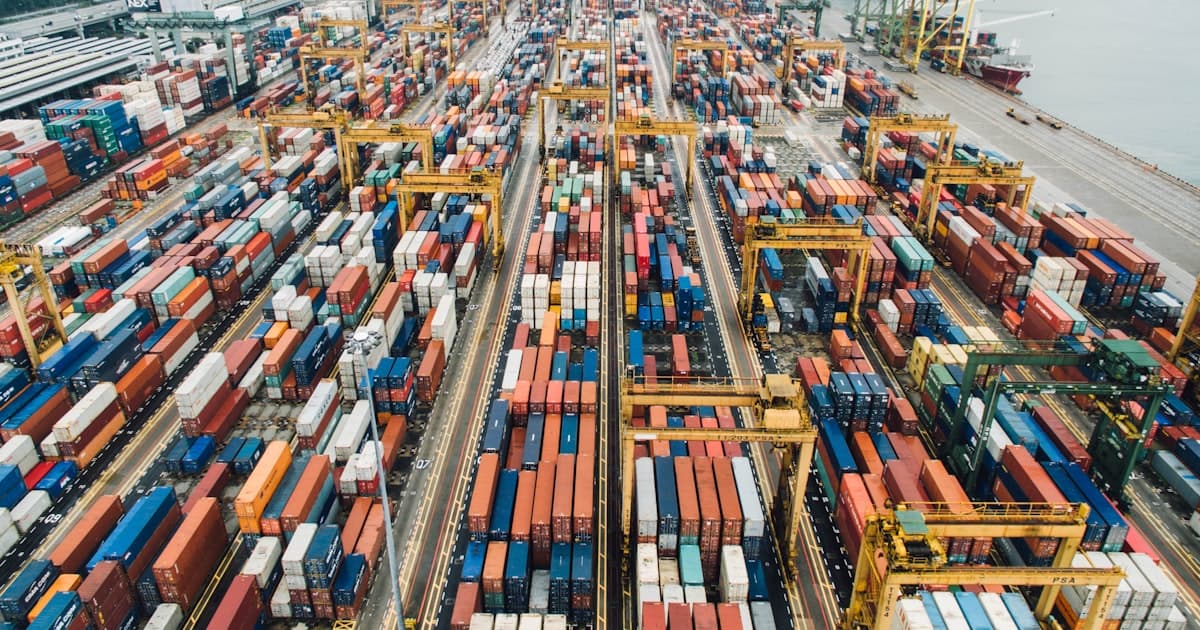
Indonesia's archipelagic geography presents a supply chain puzzle that has no parallel in continental nations. Moving goods from Java's manufacturing hubs to consumers in Papua, Maluku, or Nusa Tenggara requires navigating a complex web of sea routes, transshipment ports, and local distribution networks. The average container traveling from Jakarta to Jayapura passes through three to five intermediate ports, adding weeks to transit times and multiplying handling costs at each stop.
The government's Maritime Highway program has made measurable progress in reducing these frictions. Since its launch, the program has established regular shipping services to 32 remote ports that previously saw only sporadic cargo service. Freight costs to eastern Indonesia have dropped by an average of 18 percent on subsidized routes. However, the program's dependence on government subsidies raises questions about long-term sustainability, and private shipping lines remain reluctant to service routes that lack backhaul cargo.
Technology offers a partial answer. Several Indonesian logistics startups have developed platform solutions that aggregate cargo from multiple shippers to fill containers on secondary routes, addressing the backhaul problem through better demand matching. Meanwhile, IoT tracking devices that work on low-bandwidth satellite networks are giving shippers visibility into cargo movements through areas where cellular coverage is nonexistent. The combination of aggregation platforms and tracking technology is quietly transforming the economics of archipelagic logistics.
The human dimension of supply chain management in remote areas is equally important. Community logistics hubs—facilities where local entrepreneurs manage the final distribution leg using motorcycles, small boats, and even foot porters—have proven more reliable than attempts to extend formal courier networks into areas with no street addresses and unpaved roads. These hybrid models, blending technology-enabled coordination with community-based last-mile delivery, represent the most promising path forward for Indonesia's unique supply chain.
Rizky Ananda
Senior Logistics Correspondent
Rizky covers infrastructure and freight developments across the Indonesian archipelago with a focus on emerging economic zones.