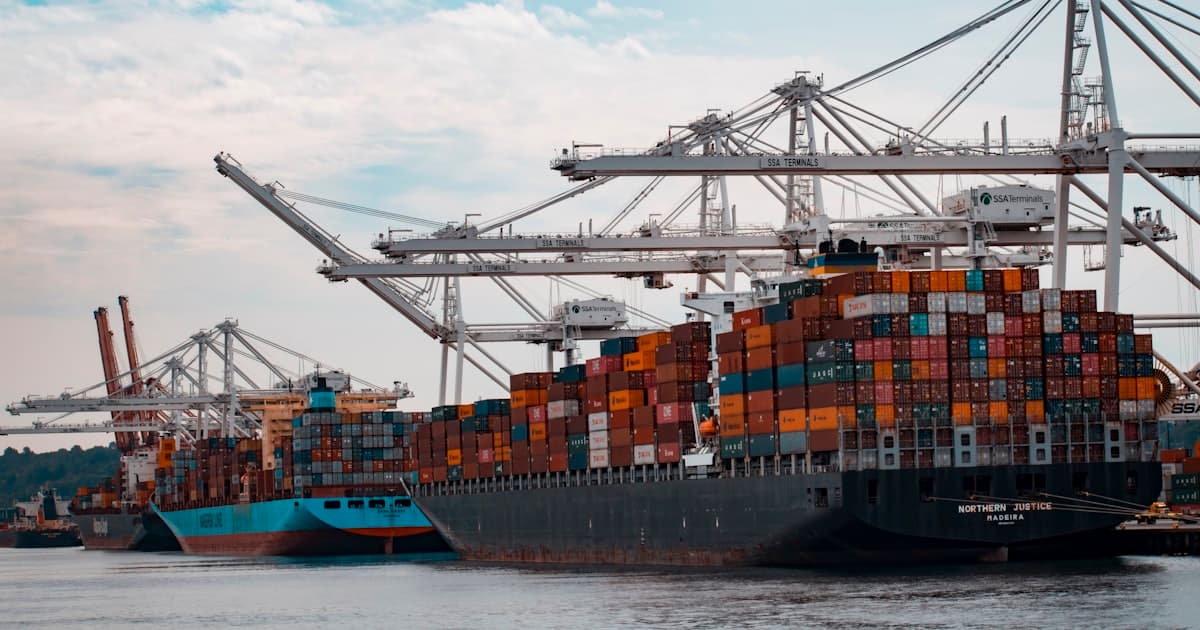
The completion of the Trans-Java double-track railway upgrade has catalyzed a significant modal shift in Indonesia's domestic logistics. Container trains running the 720-kilometer Jakarta-Surabaya corridor now carry over 400,000 TEUs annually, up from 120,000 TEUs in 2022. The rail service, operated by KAI Logistik, offers transit times of 16 to 18 hours between the two cities, compared to 24 to 36 hours by truck, and at costs approximately 30 percent lower than road transport for full container loads.
The economic impact extends beyond direct cost savings. Road congestion on the Pantura highway, Java's primary freight artery, has measurably decreased in the year since rail freight services scaled up. The Ministry of Transportation reports a 12 percent reduction in heavy truck traffic on the Jakarta-Cirebon segment of the toll road, with corresponding reductions in road maintenance costs and accident rates. The modal shift has also reduced the logistics sector's carbon footprint: rail freight produces approximately 75 percent less CO2 per ton-kilometer than truck transport.
The rail freight revival faces infrastructure constraints at both ends. In Jakarta, the Pasoso freight terminal has reached capacity, forcing KAI Logistik to open a satellite terminal in Cikarang that adds a truck transfer leg. In Surabaya, the gap between the rail terminal and Tanjung Perak port—just 12 kilometers but crossing some of the city's most congested roads—undermines the time advantage that rail achieves on the trunk route. An intermodal connector road is in planning but has been delayed by land acquisition disputes.
Looking ahead, the government's national railway master plan envisions extending container rail services to new corridors, including a Trans-Sumatra connection linking Lampung to Medan and a Jakarta-Bandung-Malang route serving central Java's industrial heartland. If realized, these corridors could transform domestic freight economics in Indonesia, reducing the country's heavy dependence on road transport and creating a truly multimodal logistics network that leverages the strengths of each mode.
Dewi Sartika
Trade Policy Analyst
Dewi analyzes trade agreements and regulatory changes affecting Southeast Asian supply chains from Jakarta.