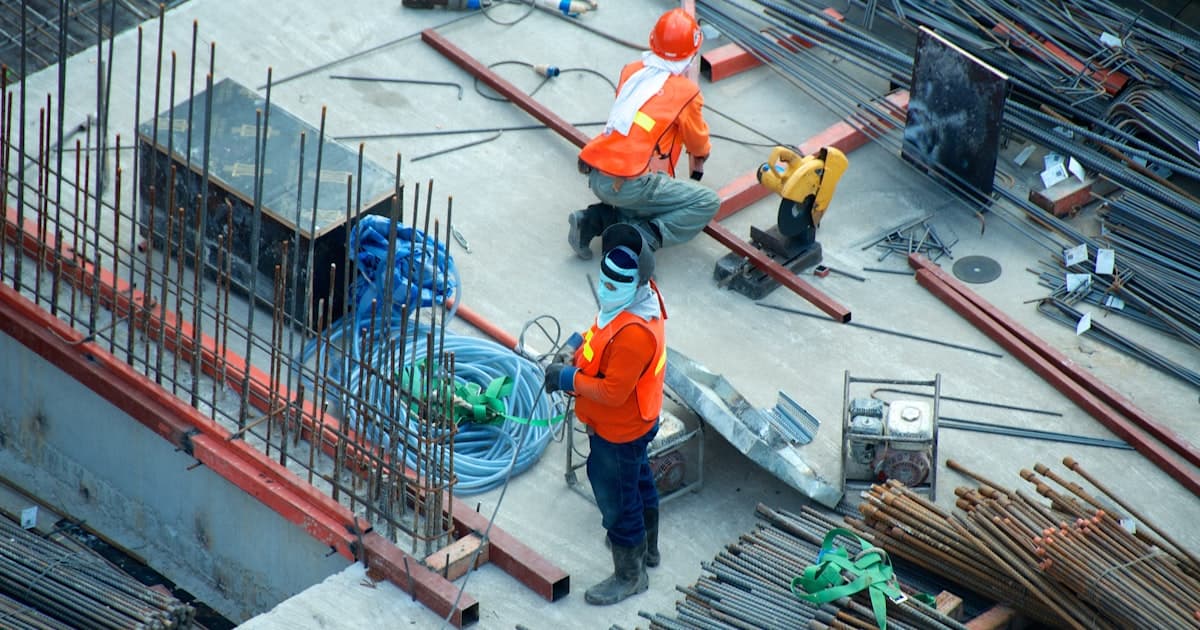
The monumental task of building Indonesia's new capital city, Nusantara, has placed extraordinary demands on the nation's logistics infrastructure. With over 250,000 hectares of land to develop, the flow of construction materials, machinery, and supporting goods requires a supply chain operation of unprecedented scale. Freight forwarders operating in East Kalimantan report that road access to key construction zones remains partially unpaved, adding days to delivery timelines and increasing transport costs by an estimated 30 to 40 percent.
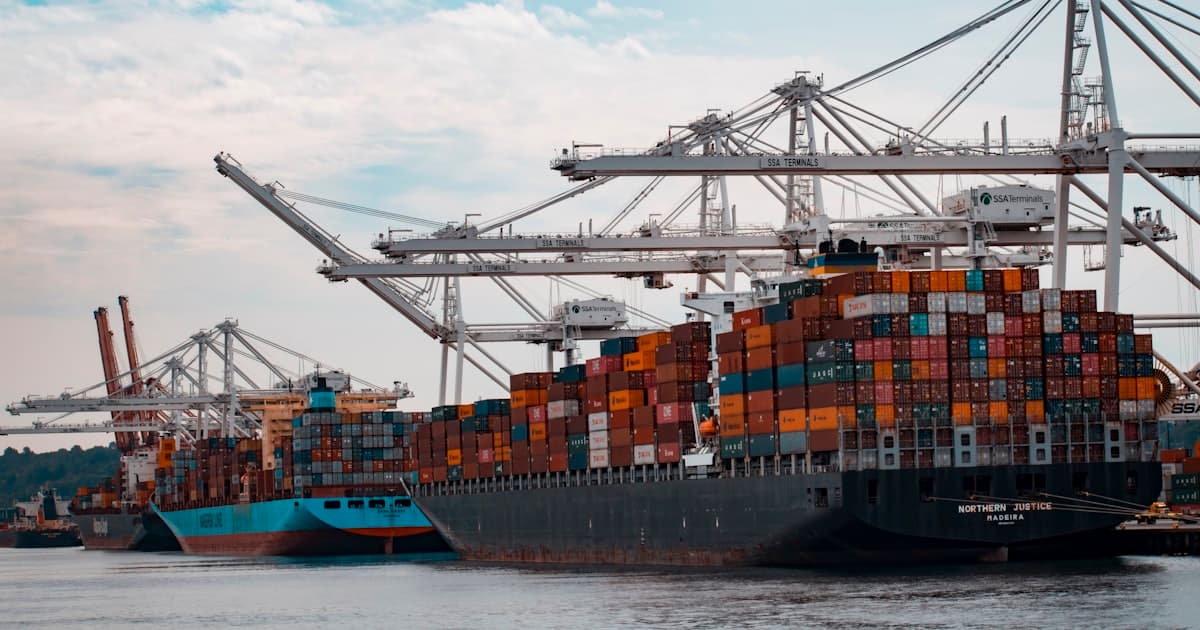
Port capacity at Balikpapan and Samarinda, the main entry points for seaborne cargo, is operating near its limits. Vessels carrying steel, cement, and heavy equipment often wait three to five days for berthing slots. The government has announced plans to expand port facilities, including a dedicated logistics terminal at Buluminung, but completion is not expected until late 2027. In the interim, forwarders are exploring alternative routes through smaller regional ports, though these lack the heavy-lift crane capacity required for oversized project cargo.
The human element compounds the physical infrastructure gap. Qualified heavy-equipment operators, customs brokers familiar with Kalimantan's special economic zone regulations, and warehouse staff are in critically short supply. Several logistics firms have launched accelerated training programs in partnership with local polytechnics, but the pipeline of skilled workers will take years to match demand. For now, companies are rotating experienced staff from Java and Sumatra on expensive rotation schedules.
Despite these challenges, the Nusantara project represents a generational opportunity for Indonesia's logistics sector. The government has designated logistics as a priority sector under the new capital's master plan, offering tax incentives for companies that establish permanent operations in the region. Forward-thinking freight forwarders are investing in East Kalimantan now—building warehouses, securing land for future depots, and establishing relationships with local authorities—to position themselves for the decades of growth that will follow the construction phase.
Rizky Ananda
Senior Logistics Correspondent
Rizky covers infrastructure and freight developments across the Indonesian archipelago with a focus on emerging economic zones.