The Indonesia-China air cargo corridor has become one of the fastest-growing trade lanes in the Asia-Pacific region, with volumes surging 27 percent in the first half of 2026 compared to the same period in 2025. The growth is being driven by three converging factors: Indonesia's expanding electronics manufacturing sector serving Chinese supply chains, the explosive growth of cross-border e-commerce between the two countries, and just-in-time automotive parts shipments supporting Indonesia's vehicle assembly industry.
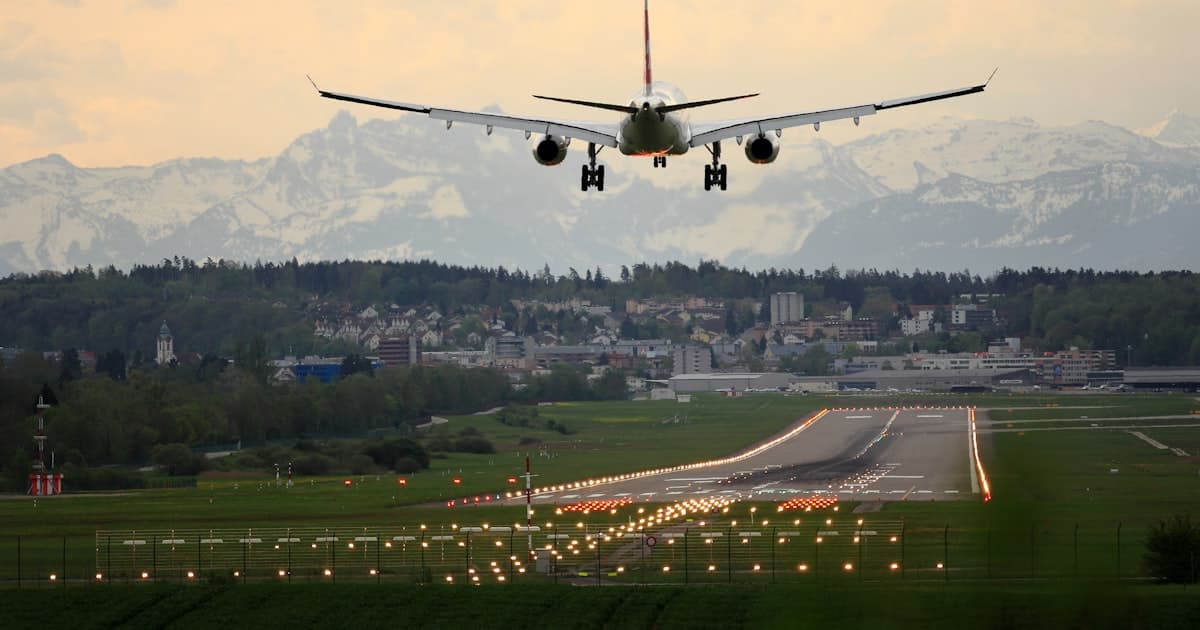
Jakarta's Soekarno-Hatta International Airport, which handles over 70 percent of Indonesia's air cargo, is feeling the strain. Cargo terminal utilization rates have exceeded 85 percent during peak hours, and ground handling turnaround times have lengthened by an average of 90 minutes. The airport operator has fast-tracked expansion of Cargo Terminal 2, but the additional capacity will not come online until mid-2027. In the meantime, forwarders are routing some shipments through secondary airports in Surabaya and Medan.
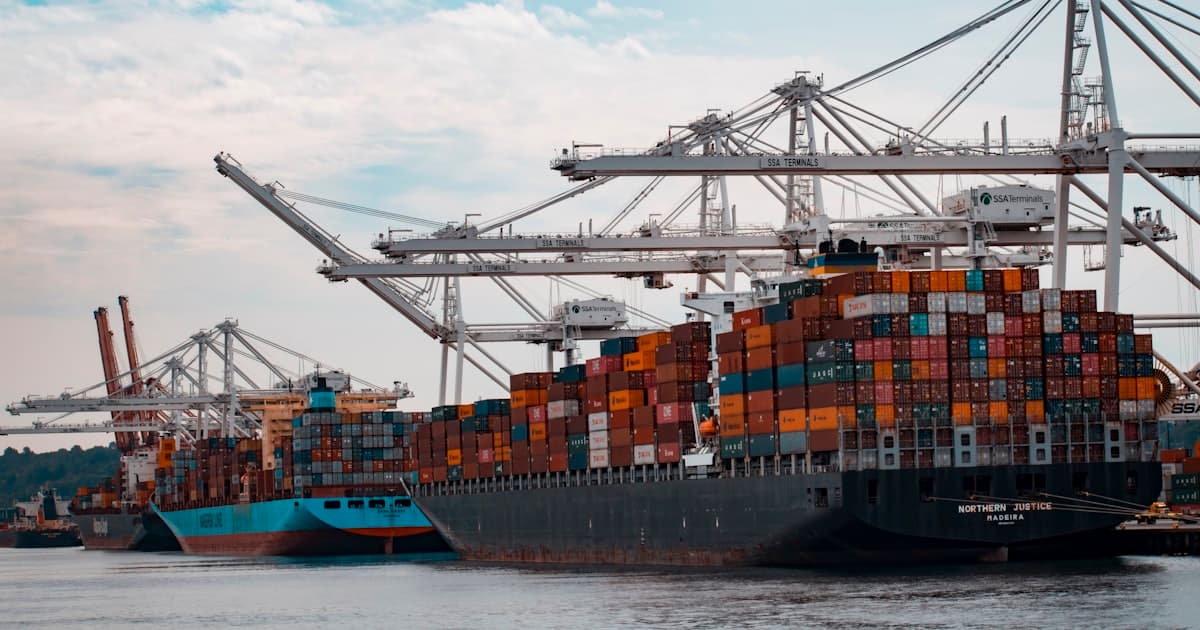
The capacity crunch is pushing rates higher. Spot rates on Jakarta-Shanghai and Jakarta-Guangzhou routes have increased 18 percent since January 2026, narrowing the historical premium that air freight commands over sea freight alternatives. Some shippers of lower-value goods have shifted back to ocean freight as the cost differential widens, particularly for shipments where the 10-day sea transit to southern China ports is acceptable relative to the one-day air transit.
New air services are entering the market to capture the demand. Chinese express carriers, including SF Airlines and YTO Cargo Airlines, have added five weekly freighter flights to Indonesian destinations in 2026. Indonesian carriers are responding: Lion Air's cargo subsidiary has expanded its freighter fleet from two to five aircraft, and Garuda Indonesia has converted two passenger A330s to freighter configuration. The additional capacity, when fully deployed by Q4 2026, is expected to moderate rate increases.
Rizky Ananda
Senior Logistics Correspondent
Rizky covers infrastructure and freight developments across the Indonesian archipelago with a focus on emerging economic zones.