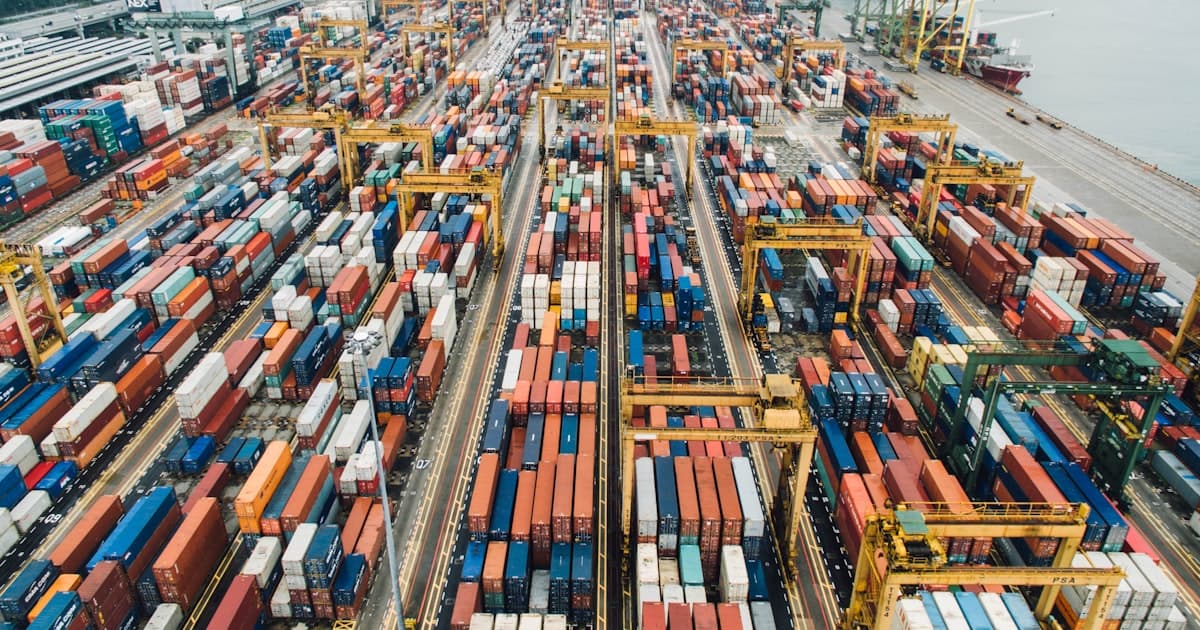
The implementation of upgraded ASEAN free trade protocols, effective January 2026, has begun reshaping freight flows across Southeast Asia. For Indonesian forwarders, the most significant change is the elimination of remaining tariffs on electronics components, automotive parts, and processed agricultural goods. Customs data from Tanjung Priok shows a 22 percent increase in intra-ASEAN container volumes in the first quarter of 2026 compared to the same period last year.
Behind the headline numbers, the operational reality is more complex. Each ASEAN member state has implemented the new tariff schedules at a different pace, creating a patchwork of regulations that forwarders must navigate. Thailand and Vietnam have been notably slower to update their customs systems, leading to documentation mismatches at border crossings. Indonesian forwarders report that electronic certificate of origin submissions are being rejected at a higher rate as systems on both sides struggle with the new harmonized system codes.
The winners in this transition are the forwarders who invested early in digital customs integration. Companies using automated tariff classification tools and direct API connections to Indonesia's National Single Window have reduced clearance times by up to 60 percent compared to those relying on manual processes. This digital divide is becoming a competitive moat, with tech-enabled forwarders capturing an increasing share of the growing ASEAN trade volumes.
Looking ahead, the ASEAN secretariat has signaled that the next round of negotiations will focus on services liberalization, including logistics services themselves. This could open the door for Indonesian forwarders to establish operations in neighboring countries without local partnership requirements. Industry observers caution that while the opportunity is significant, forwarders should not underestimate the challenges of operating across ASEAN's diverse regulatory environments.
Dewi Sartika
Trade Policy Analyst
Dewi analyzes trade agreements and regulatory changes affecting Southeast Asian supply chains from Jakarta.