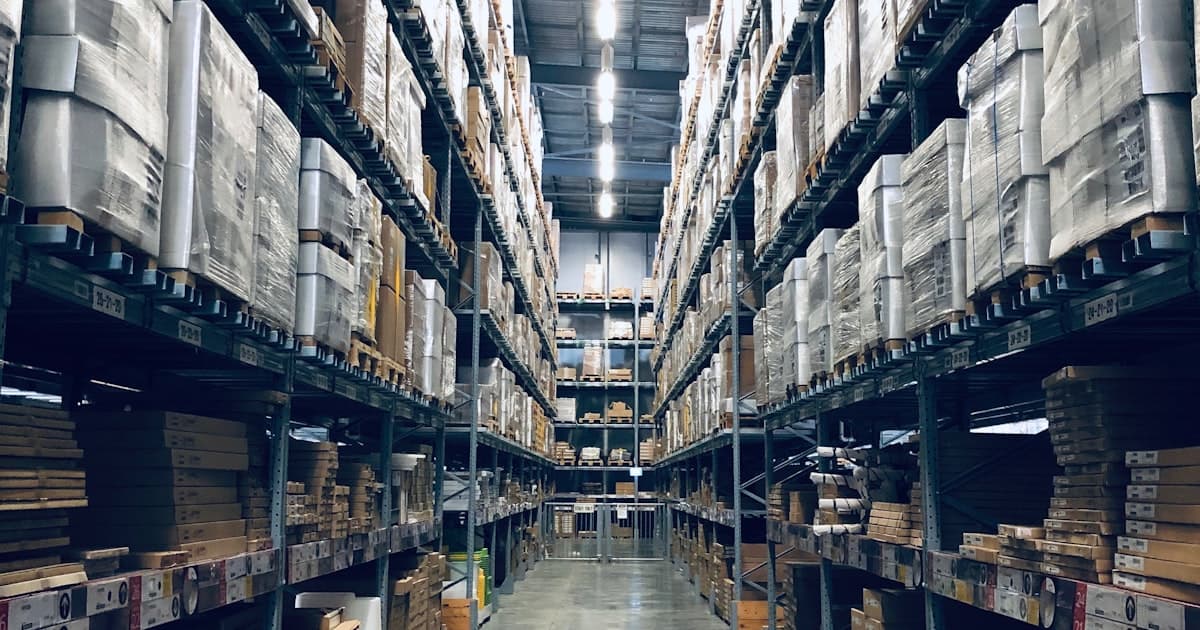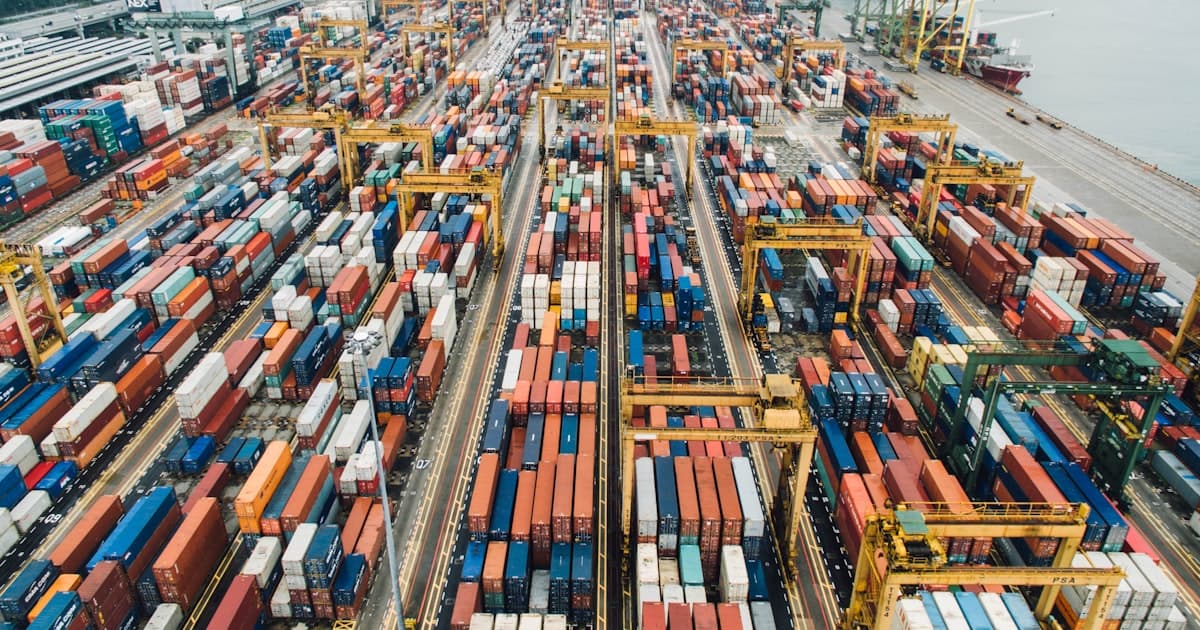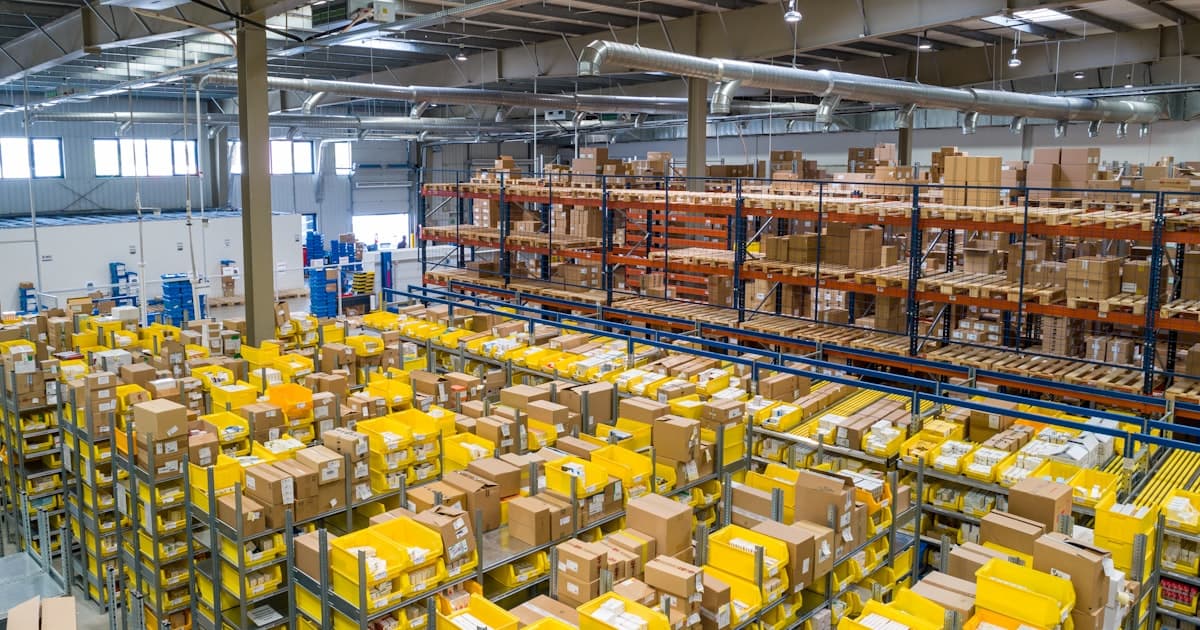
The cold chain logistics sector in Southeast Asia is experiencing its fastest growth in a decade, with market analysts projecting a 14 percent expansion in 2026. Indonesia, as the region's largest economy and a major exporter of seafood and agricultural products, is at the center of this surge. Cold storage capacity across Java and Sumatra has increased by 28 percent over the past 18 months, with major new facilities coming online in Semarang, Surabaya, and Medan.
The growth is being fueled by multiple converging trends. E-commerce platforms have expanded into fresh grocery delivery, creating demand for last-mile cold chain solutions that simply did not exist five years ago. Pharmaceutical companies are building regional distribution hubs in Indonesia to serve the ASEAN market, requiring GDP-compliant temperature-controlled storage and transport. Meanwhile, Indonesia's seafood export industry—a five billion dollar sector—is under increasing pressure from international buyers to maintain unbroken cold chains from catch to consumer.
Technology is playing an increasingly central role in cold chain reliability. IoT temperature sensors with real-time cloud monitoring, once a premium add-on, have become standard equipment for any forwarder serious about cold chain logistics. Indonesian startups have developed affordable sensor solutions tailored to the local market, bringing continuous monitoring within reach of small and medium exporters who previously relied on chemical temperature indicators that only showed whether a threshold had been breached.
However, significant infrastructure gaps remain, particularly in eastern Indonesia. Cold storage facilities are heavily concentrated on Java, leaving exporters in Sulawesi, Maluku, and Papua dependent on long, risky overland journeys to reach ports with cold chain capabilities. The government's new maritime highway program includes provisions for refrigerated container handling at several eastern ports, but industry groups argue the pace of implementation is too slow to capture the current market opportunity.
Rizky Ananda
Senior Logistics Correspondent
Rizky covers infrastructure and freight developments across the Indonesian archipelago with a focus on emerging economic zones.