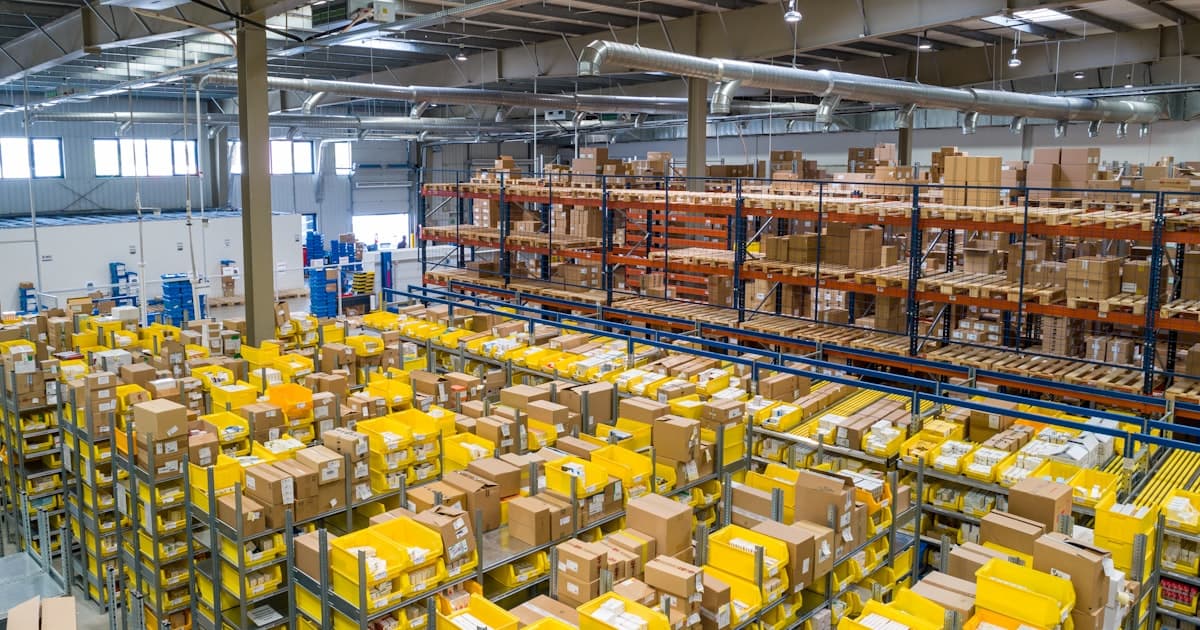
Warehouse automation, once the exclusive domain of Amazon-scale operations, is rapidly filtering down to mid-sized logistics providers across Southeast Asia. In Indonesia, companies operating fulfillment centers in Jabodetabek and Surabaya are deploying autonomous mobile robots for goods-to-person picking, reducing walking time by up to 70 percent and increasing pick rates from 80 to 250 units per hour per operator.
The catalyst for this automation wave is the collision of two trends: skyrocketing e-commerce volumes and a tightening labor market. Indonesia's e-commerce GMV surpassed 80 billion dollars in 2025, and same-day delivery expectations have made warehouse throughput a competitive differentiator. Meanwhile, minimum wage increases in Java's industrial corridors have pushed warehouse labor costs to levels where automation reaches payback in 18 to 24 months for high-throughput facilities.
The technology landscape is evolving rapidly. Chinese automation vendors, including Geek+ and HAI Robotics, have established strong Southeast Asian presences with aggressive pricing and localized service teams. Their robots-as-a-service pricing models, charging per-pick rather than requiring upfront capital, have lowered the barrier for mid-tier logistics operators. Indonesian firms that would have been priced out of traditional automation are now deploying fleets of 20 to 50 robots in facilities that handle 5,000 to 10,000 orders daily.
Challenges remain. The extreme variety of SKU shapes in Indonesian e-commerce—from traditional textiles to irregularly packaged food products—requires more sophisticated grasping technology than standardized box picking. Power reliability in industrial zones outside Java remains a concern for battery-dependent robot fleets. And the shortage of technicians trained in robotics maintenance creates dependencies on vendor service contracts that can erode the cost advantages of automation.
Dewi Sartika
Trade Policy Analyst
Dewi analyzes trade agreements and regulatory changes affecting Southeast Asian supply chains from Jakarta.